The city of Tunis sits charmingly on the edge of the Mediterranean coast, blending ancient history with vibrant North African culture. As Tunisia’s capital, the city offers a fascinating mix of historic medinas, archaeological treasures, and lively markets. Visitors can explore nearby Roman ruins in Carthage, stroll through centuries-old neighborhoods, and discover museums filled with remarkable artifacts. But the city’s appeal doesn’t just reside within the city itself—coastal towns and sandy beaches are just a short drive away, adding to the region’s appeal. With its rich heritage and welcoming atmosphere, Tunis serves as an ideal gateway to Tunisia’s rich history and stunning landscapes.
This guide may contain affiliate links. Making a purchase through our site may earn us a commission at no additional cost to you. This does not affect the independence or quality of our content.
Must-See Attractions
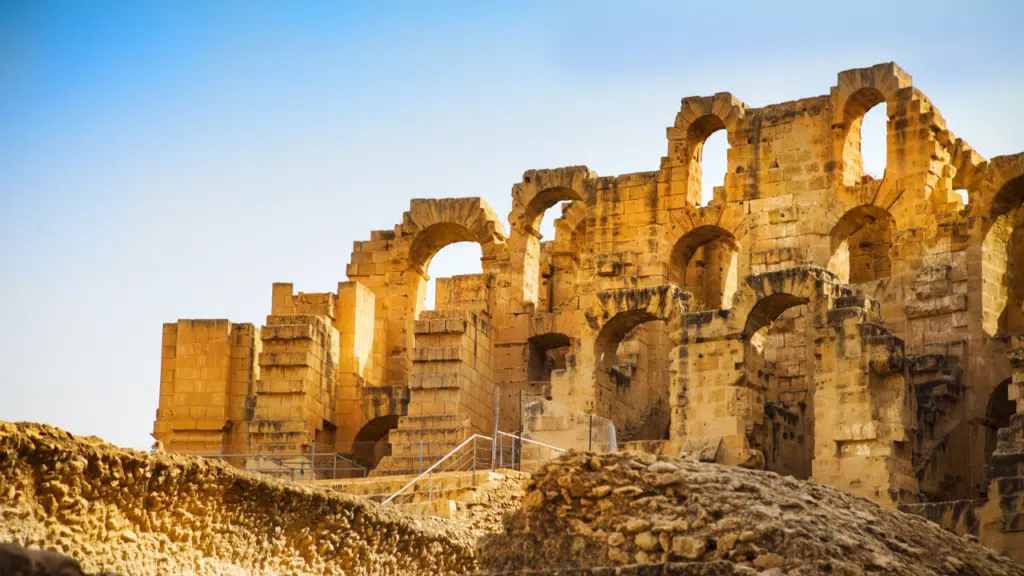
El Jem Amphitheatre
One of the largest Roman amphitheaters ever built, this UNESCO-listed site once held up to 30,000 spectators. Its towering stone arches and remarkably preserved structure offer a powerful glimpse into North Africa’s Roman past.
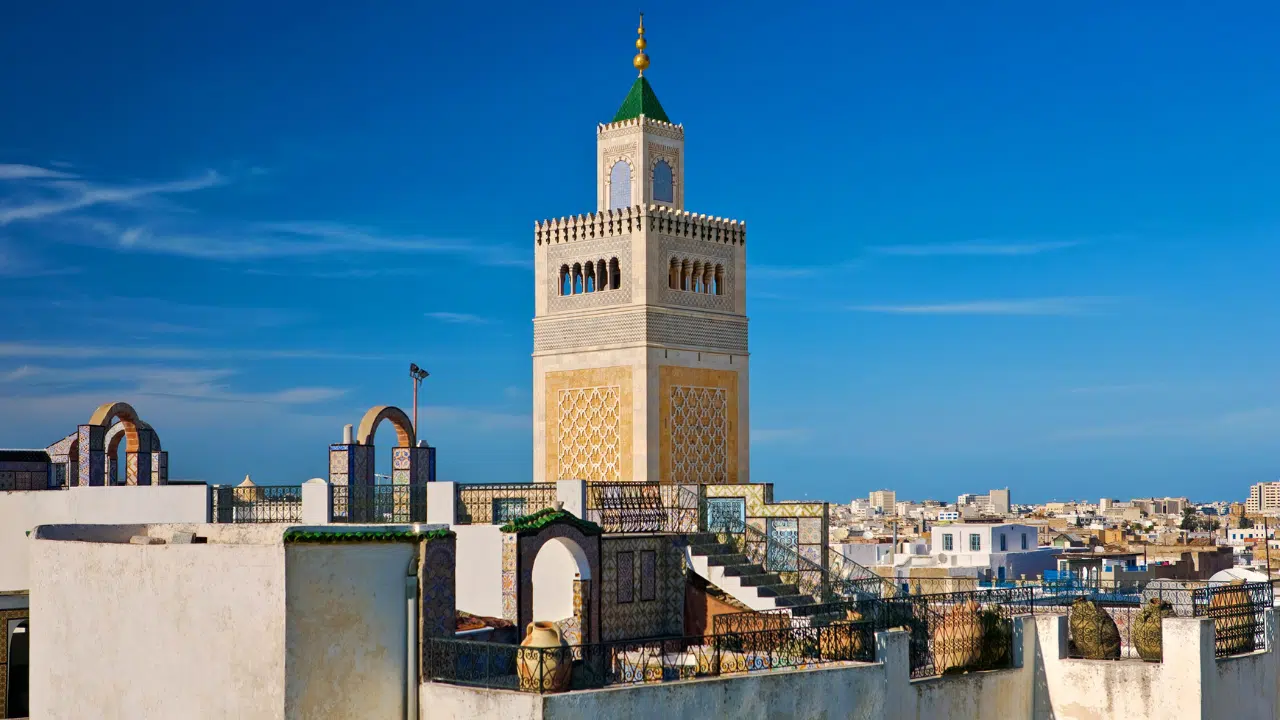
Medina of Tunis
This UNESCO World Heritage–listed medina is a maze of narrow streets, historic mosques, and bustling souks. Visitors can browse traditional crafts, textiles, and spices while soaking up the city’s authentic atmosphere.
Friguia Park
Friguia Park is a wildlife park known for its large collection of African animals, including lions, giraffes, and elephants. Educational shows and open viewing areas make it an engaging stop for visitors of all ages.
Carthage Archeological Site
The ancient ruins of Carthage reveal the remains of one of the Mediterranean’s most powerful civilizations. Visitors can explore Roman baths, villas, and historic structures overlooking the sea.
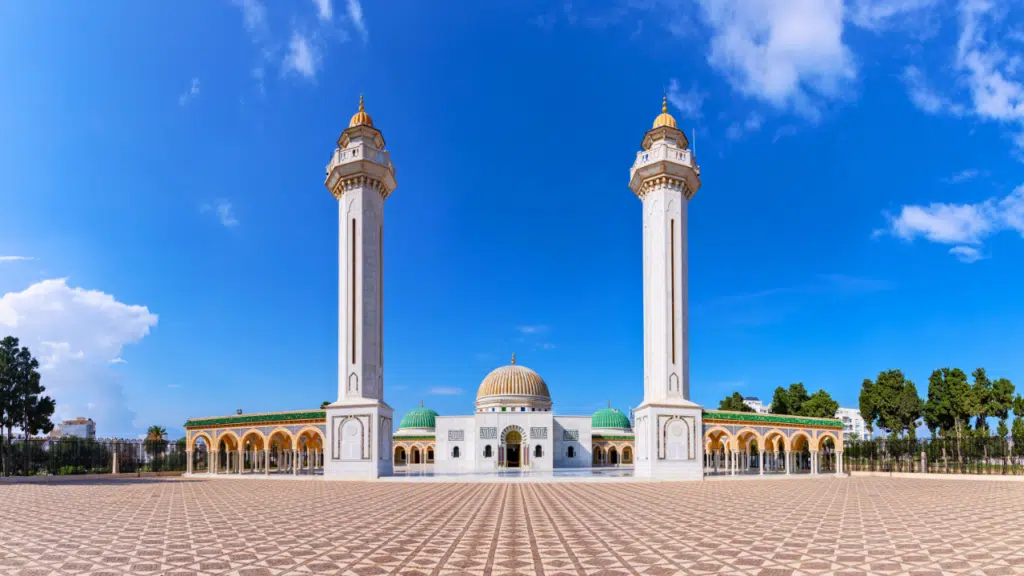
Bourguiba Mausoleum
This striking mausoleum honors Tunisia’s first president, Habib Bourguiba. Its golden domes and elegant marble architecture make it both a historic monument and an architectural highlight.
Featured Tour
Private Tour to Kairouan, El Jem & Monastir from Tunis
Explore centuries of Tunisian history on this fascinating journey through some of the country’s most remarkable landmarks. Visit the sacred city of Kairouan, home to the magnificent Great Mosque and a beautifully preserved medina filled with traditional crafts and local flavors. Continue to the impressive El Jem Amphitheatre, one of the largest Roman arenas in the world and a UNESCO-listed treasure. The tour concludes in coastal Monastir, where the historic Ribat fortress offers a glimpse into the region’s early Islamic heritage.
Family-Friendly Fun
Park Djerba Explore
This cultural and entertainment complex features a museum, traditional village exhibits, and a crocodile farm. It offers an engaging way for families to learn about local history and wildlife.
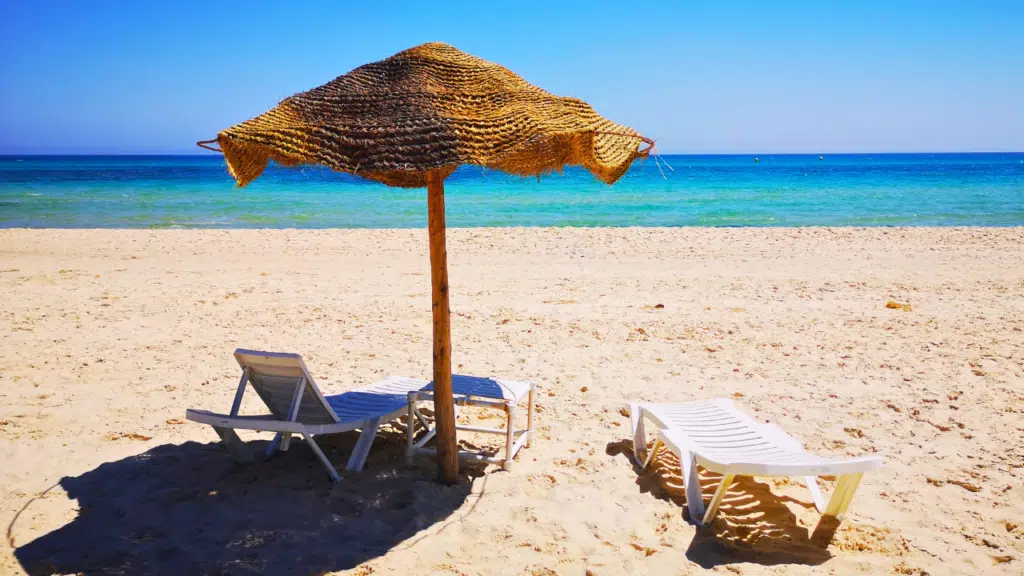
Hammamet Beach
Hammamet Beach is known for its soft sand, clear Mediterranean waters, and relaxed resort atmosphere. Families can enjoy swimming, beach activities, and seaside cafés along the scenic coastline.
National Bardo Museum
One of North Africa’s most important museums, the Bardo houses an extraordinary collection of Roman mosaics and ancient artifacts. Interactive displays and impressive galleries make it an enriching visit for curious travelers.
Places to Eat
Places to Stay
Best Time to Visit
The best time to visit Tunis is during the spring and autumn months, when temperatures are warm but pleasant. From April to June and September to October, visitors can explore historic sites, like the Roman ruins of Carthage, and plan fun getaways to coastal towns like the beautiful Sidi Bou Said, all without the intense summer heat. Whether it’s spring’s green landscapes and blooming beauty or fall’s foody festivals and laid-back culture, the shoulder seasons present the best of the city. But they’re not the only options. Summers can be hot, especially inland, but the sunshine is hard to beat, and the nearby Mediterranean breeze provides some relief. Winter, in contrast, is mild and quieter, making it a good time for cultural exploration, museum visits, and more.